
The Point Waterfront, Durban

Durban · South Africa

The PointWaterfront

Harbour heritage, city life, warm ocean, and a precinct designed to be lived in.

Begin reading

A guest’s guide to place

Why this edge of Durban feels different

There is a particular pleasure in a waterfront that still works. Not only resorts and railings — but ships in the channel, salt in the wind, and a neighbourhood that remembers it was a port first.

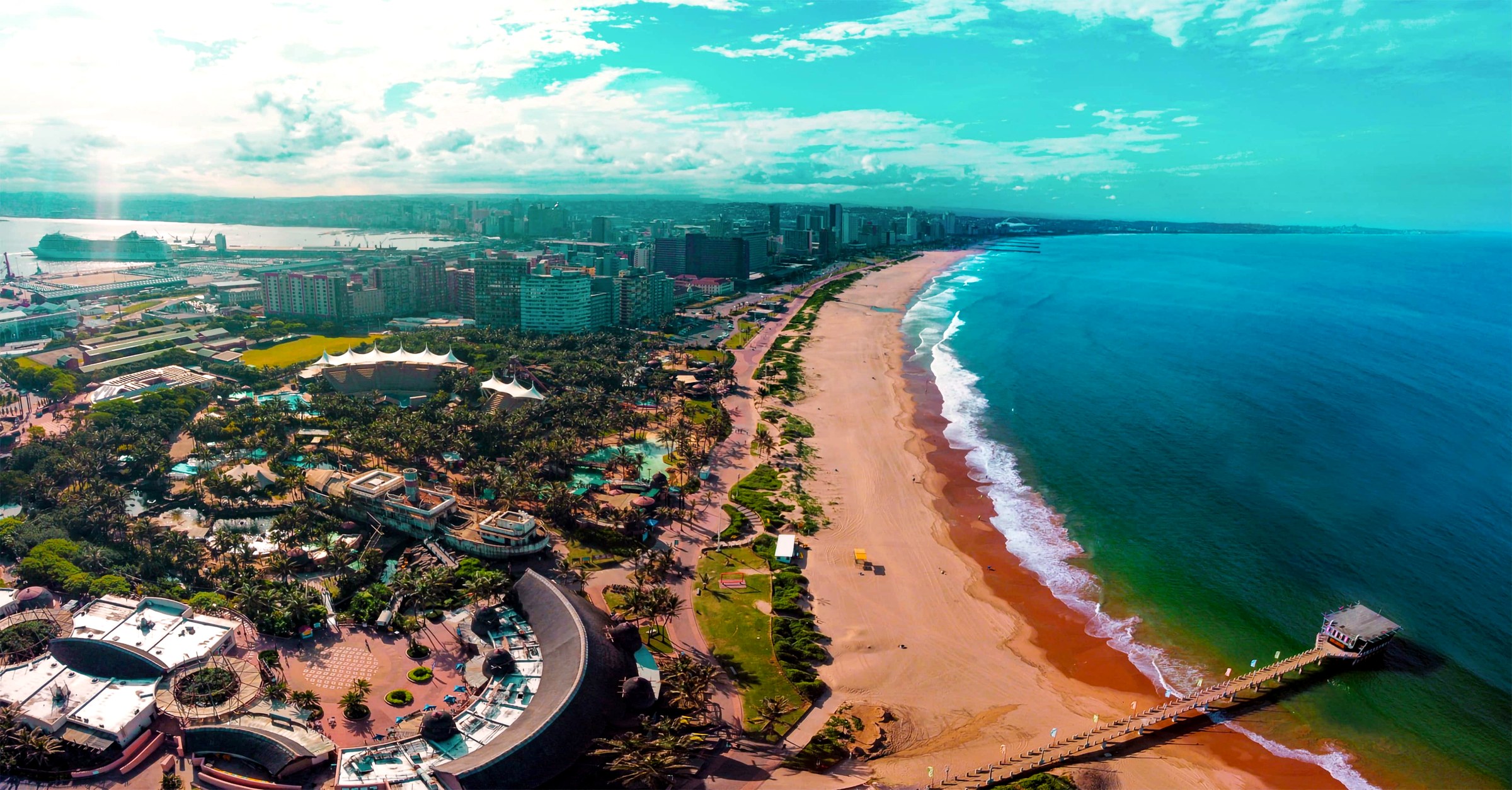
The Point Waterfront sits at that seam: Africa’s busiest harbour on one shoulder, the Indian Ocean on the other. For years the site was underloved. Then the city, and those who live here, decided beauty alone was not enough. Care had to return.

What follows is not a brochure. It is a short magazine on how this place came to be — and how to move through it when you wake up already inside the story.

“A waterfront city within the city — walkable, looked after, still becoming.”

Harbour edge at The Point Waterfront, Durban

01

Origins

Where the harbour meets the sea

A strip of coast that has always been more working waterfront than postcard.

Before the canals and the coffee counters, this was the bay’s working edge — a hinge between ocean and port. Portuguese ships noted the coast at the close of the fifteenth century. By the nineteenth, Port Natal had become the reason Durban faces the water.

The Point is that thin, charged place where harbour and Indian Ocean almost touch. Piers, rail, warehouses, sailors: the city still wears their outline. What you check into now is not a theme park stitched onto sand. It is a harbour neighbourhood coming back into daily use.
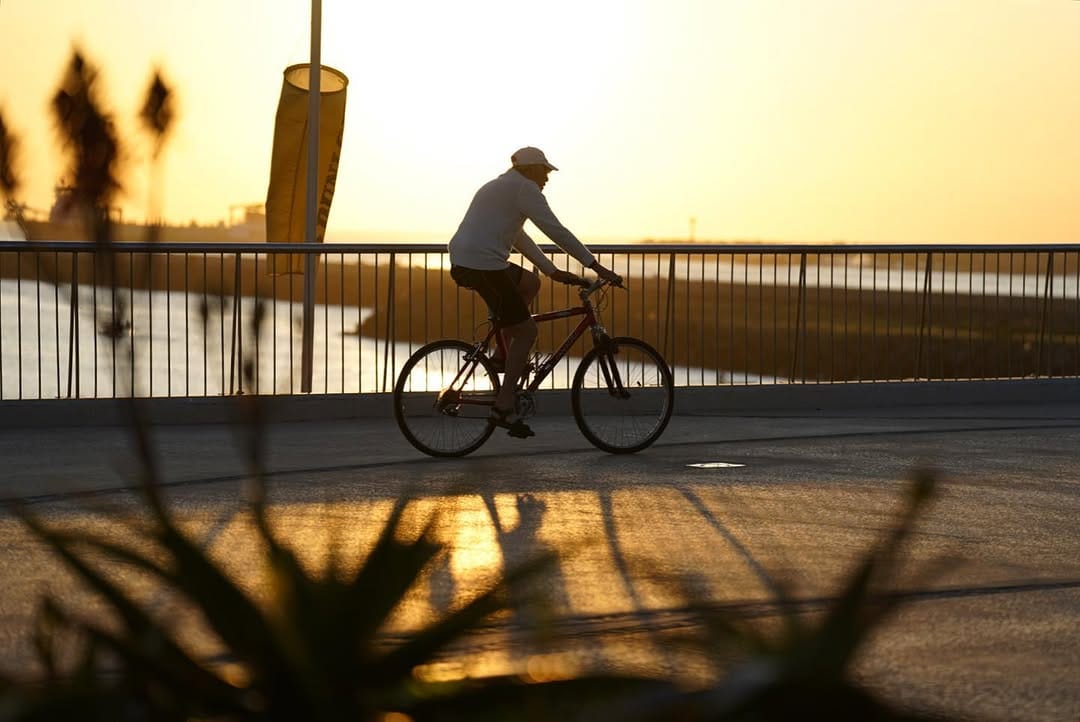

Streets and promenades at The Point Waterfront

02

The approach

A road that remembers

Mahatma Gandhi Road — once Point Road — is how most of us still arrive.

It began as a sandy track for goods. It grew into one of Durban’s most storied streets: commercial, rough, glamorous, occasionally infamous. Gandhi spent formative years in this city; the road’s renaming keeps that chapter in view.

For a guest, the poetry is simpler. You turn in from the beachfront and the air changes — less highway, more precinct. The past is not a plaque you have to read. It is the feeling that this edge of town has always been about the water.

Evening light on the beach near The Point

03

After dark, then after

Dockside lore, then the long quiet

Smugglers, sailors, empty lots — and a beauty that never quite left.

Mid-century Point Road was famous for its nights. Smugglers Inn and its kin entered local legend — dockside energy, hotels, a mix of people the city still argues about fondly.

Then, as with so many port edges, the lights dimmed. Underused land. Empty buildings. A reputation that outran the view. The sea stayed. The care left — until someone decided the site was too good to leave behind.

uShaka Marine World at The Point Waterfront

04

The turn

When the crowds came back

uShaka did more than open an aquarium. It reopened the idea of living here.

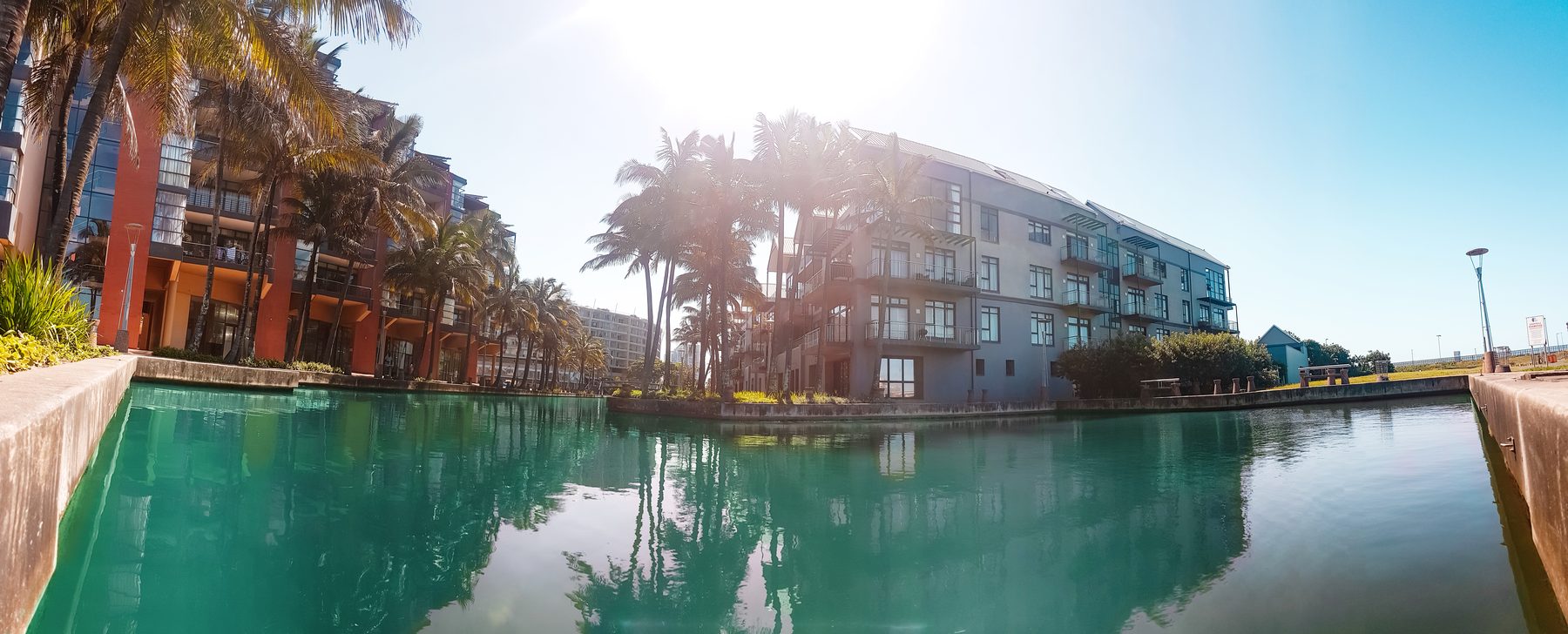
uShaka Marine World pulled families and travellers onto a stretch many had written off. With footfall came a larger plan: not one attraction alone, but a waterfront neighbourhood — canals as spine, apartments above the water, streets meant for walking.

The engineering that served the park quietly suggested a new geometry for daily life. Water would not be scenery at the end of a drive. It would run through the middle of how you spent the morning.

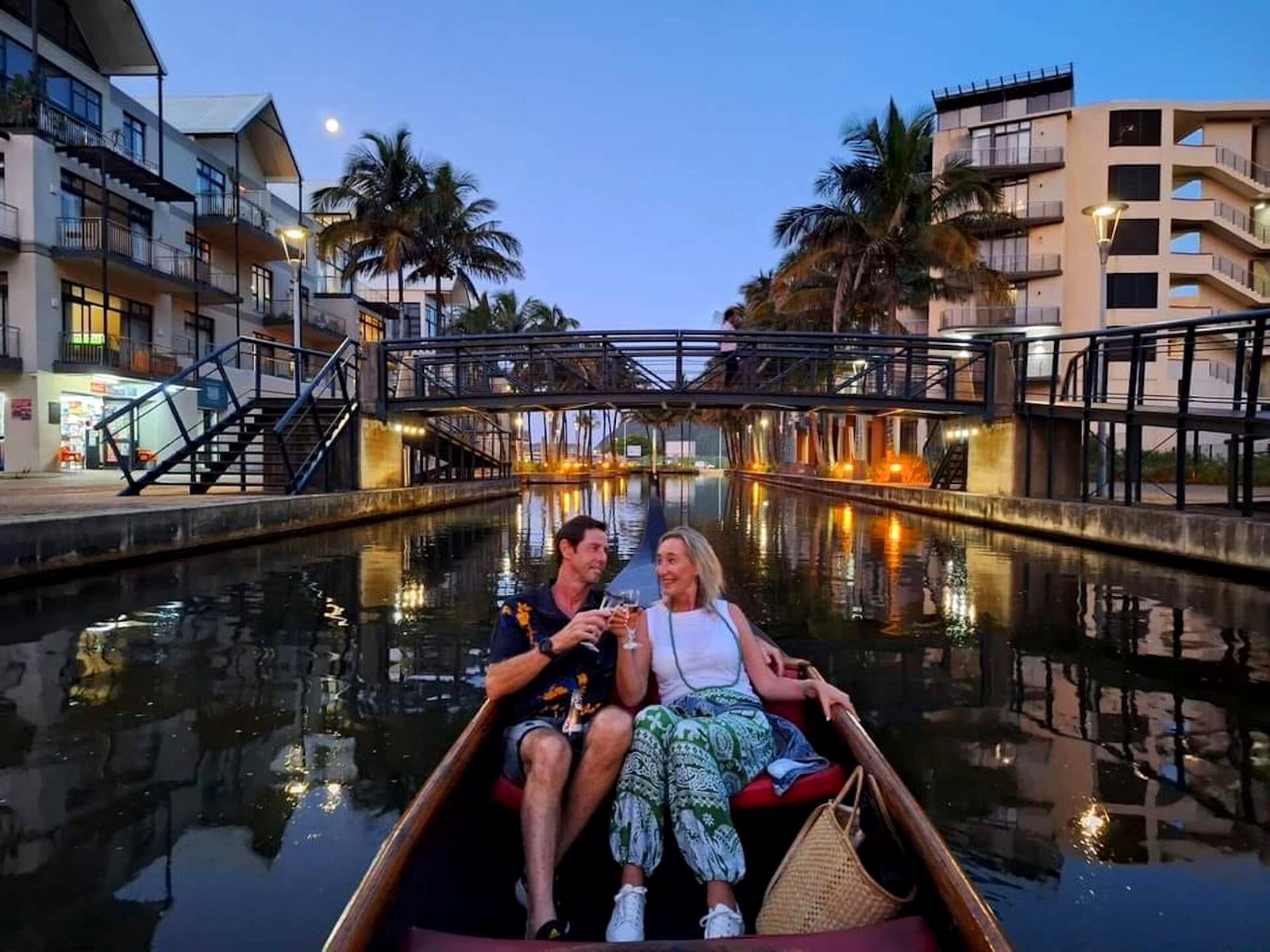
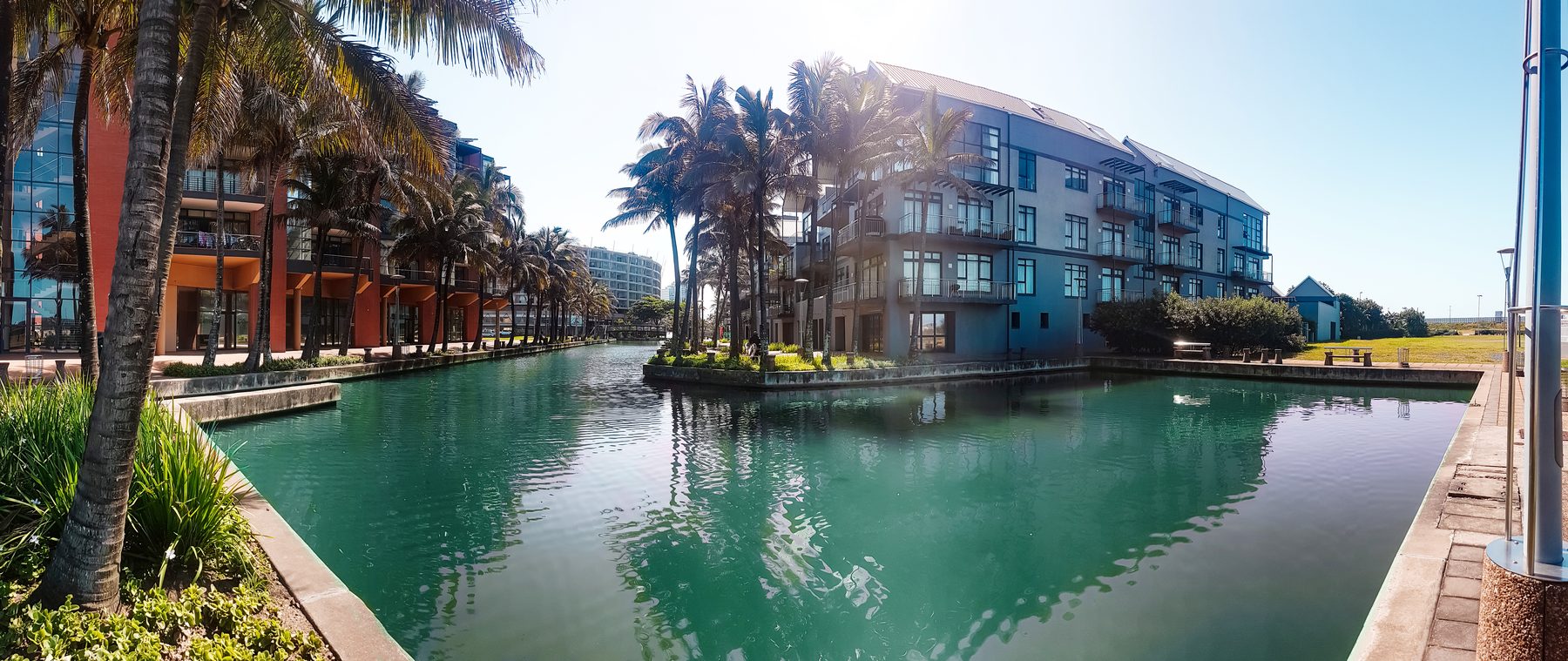
Canals at The Point Waterfront

05

Memory

The timeball and the long view

A serious waterfront keeps its working past in the frame.

Durban’s Point holds layers — harbour architecture, industrial fragments, civic markers. The timeball, once a practical signal for ships, still lives in the city’s imagination: a reminder that this edge was always about timing, tide, and trade.

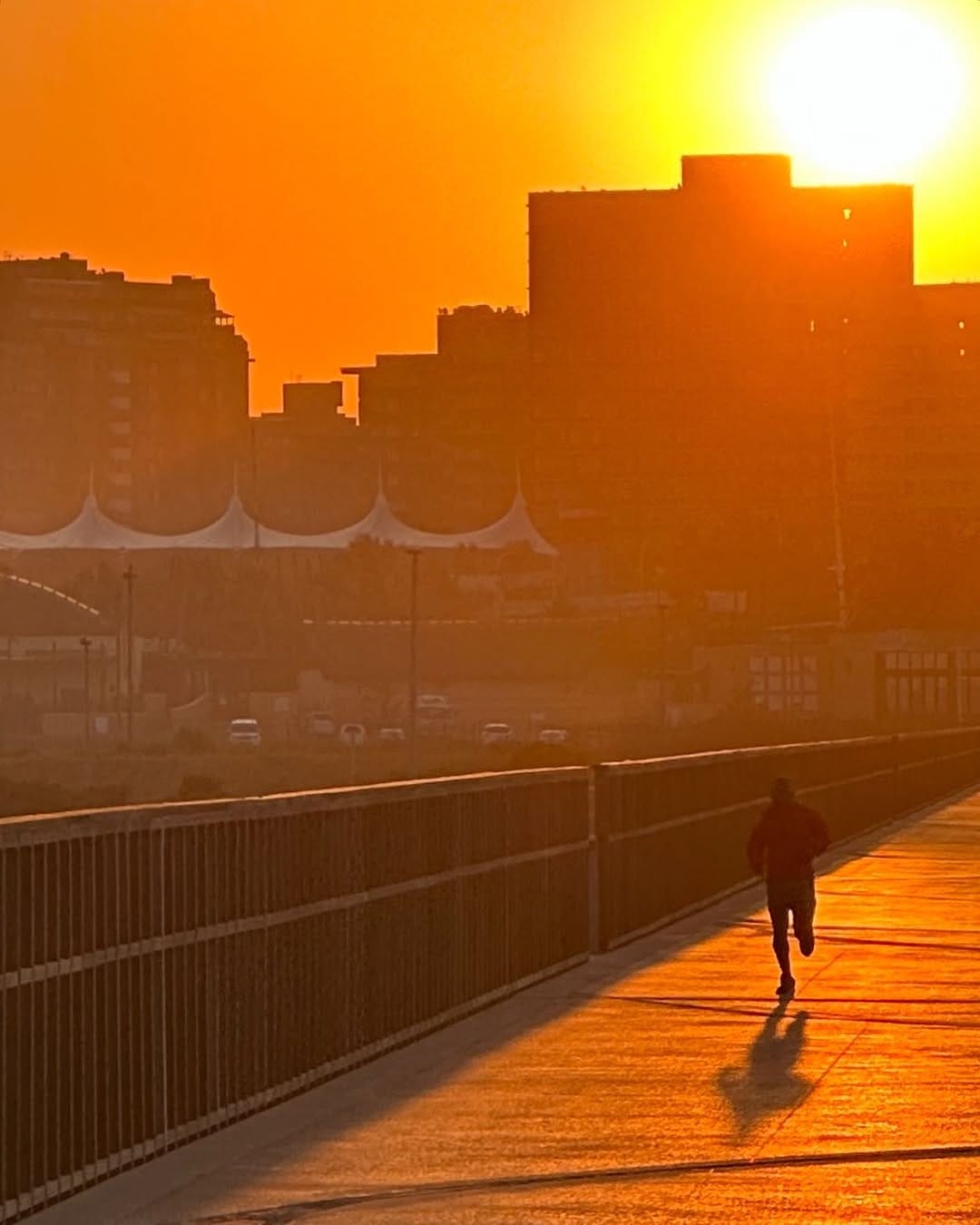
You don’t need a ticketed museum to feel it. Walk at golden hour. Port on one side, warm ocean on the other. A neighbourhood still finishing its next sentence between them.

Living at The Point Waterfront, Durban

06

Today

A precinct you can actually walk

Managed, beach-close, and quiet enough to leave the car parked.

What greets you now is canals, promenades, apartments, and the beach a few minutes on foot. Ships still move. Light still shifts on the water. Residents and guests share the same streets — which is the point.

The difference is care. The Durban Point Waterfront Management Association keeps the common ground: security, cleaning, landscaping, canals. The luxury is unglamorous and essential. You can walk after dinner. You can hear the sea without scanning over your shoulder every few steps.

Evening at The Point Waterfront

07

Still becoming

Not finished — and better for it

A waterfront city within the city, still drawing its next lines.

The long vision was always larger than a single block: homes, hospitality, harbour life, and the ongoing conversation about craft and boats that has followed this shoreline for years.

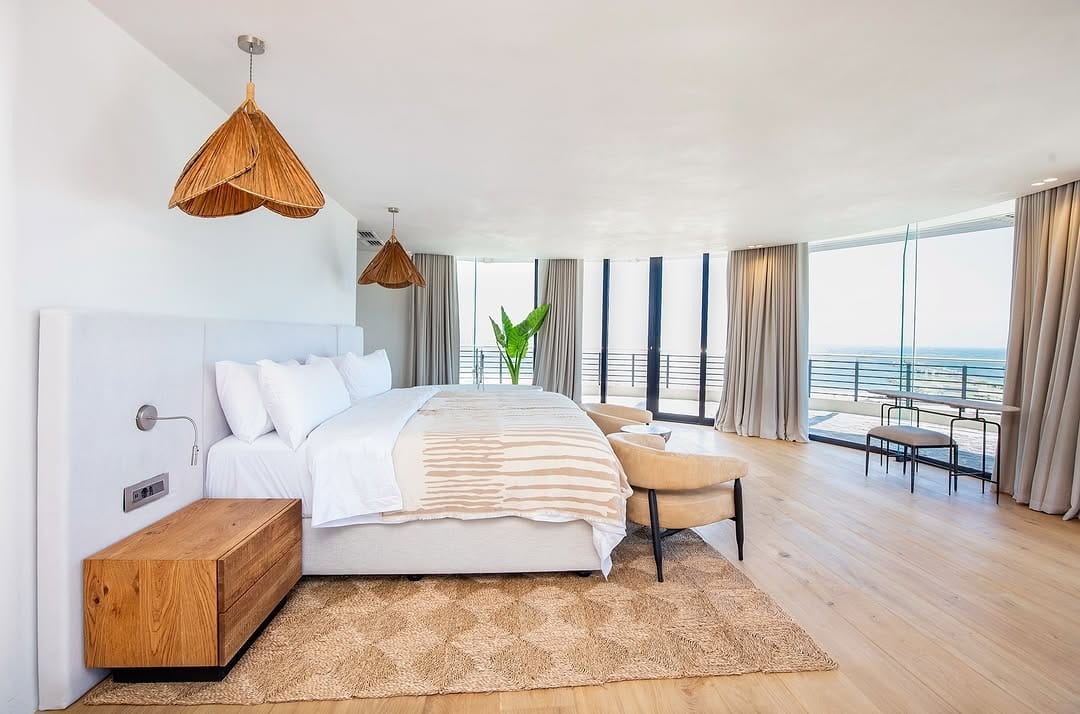
For a stay at Point Waterfront Apartments, the invitation is smaller and better. Sleep inside a real Durban story. Wake with the ocean close. Leave knowing the precinct chose renewal — and that you were part of its ordinary, lovely days.

In brief

Centuries, not slogans

  1. 1497

    The coast enters the European maritime record.

  2. 1835

    Port Natal takes shape around the bay.

  3. 1860s

    Rail and piers bind city to harbour.

  4. 1900s

    Gandhi’s Durban years; Point Road’s long life.

  5. 1960s–70s

    Dockside nights peak in local lore.

  6. Late 1900s

    Decline — beauty without care.

  7. 2000s

    uShaka and the waterfront idea return.

  8. Now

    A managed, walkable precinct by the sea.

Why guests return

The unfashionable luxury of feeling safe

Ask people why they book The Point Waterfront and the answer is often quieter than the view: they can walk. The precinct is managed — security, cleaning, landscaping, canals — so the neighbourhood holds together after dark and on ordinary Tuesdays.

DPWMA runs the common ground with a control room, cameras, day and night patrols, and staff who treat streets like shared living rooms. It is not a gated fantasy. It is maintenance as hospitality.

  • Control room staffed around the clock
  • Camera coverage across the precinct
  • Patrols by day and night
  • Public space cleaned and landscaped
  • Canals and shared infrastructure kept in order

Details: dpwma.co.za

Stay

Point Waterfront Apartments

Serviced self-catering apartments in Durban’s Point Waterfront — a secure, walkable beachfront precinct with the Indian Ocean a few steps from your door.

Budget / night per person
R
Guests